






DJI Gimbali
Pokret koji izgleda filmski.
DJI gimbali donose naprednu stabilizaciju, pametno praćenje i kontrolu nad svakim kadrom.
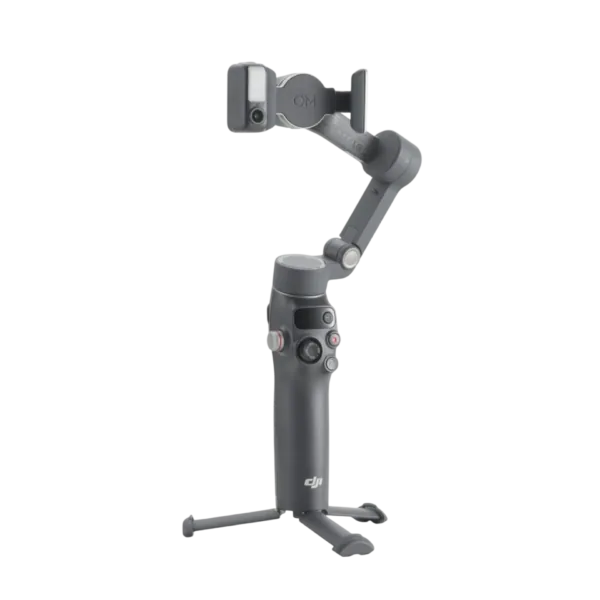
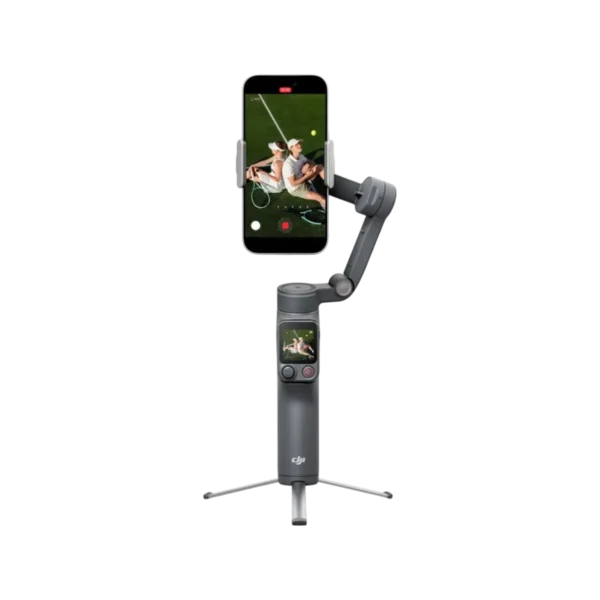
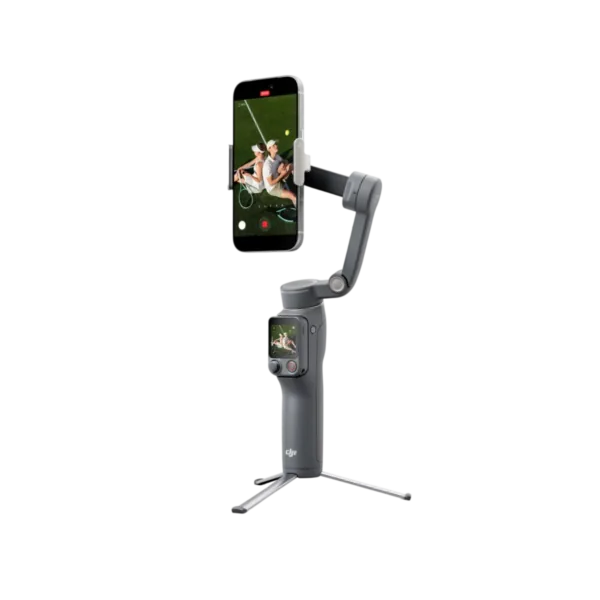
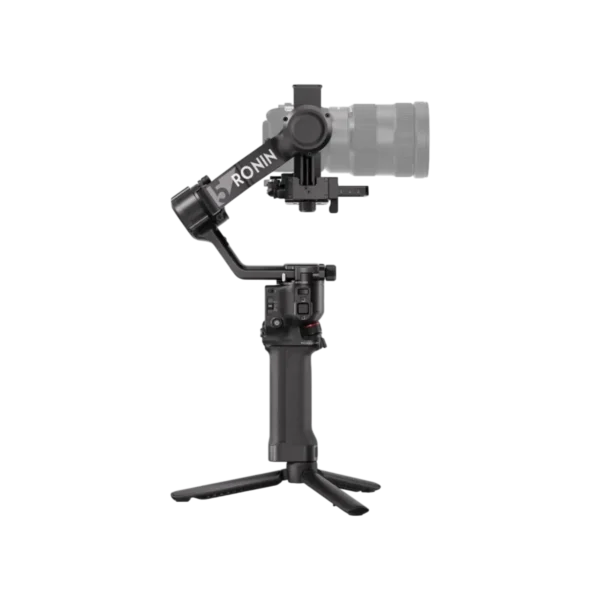
Obeleži osobu i kadar je samo njen.
Povećava tvoju kreativnost za nestvarne scene
DJI gimbali rešavaju jedan problem: trešnju ruke. Motori na tri ose drže telefon ili kameru u ravni dok vi hodate, trčite ili se okrećete, pa snimak izgleda kao da je sniman sa šina.
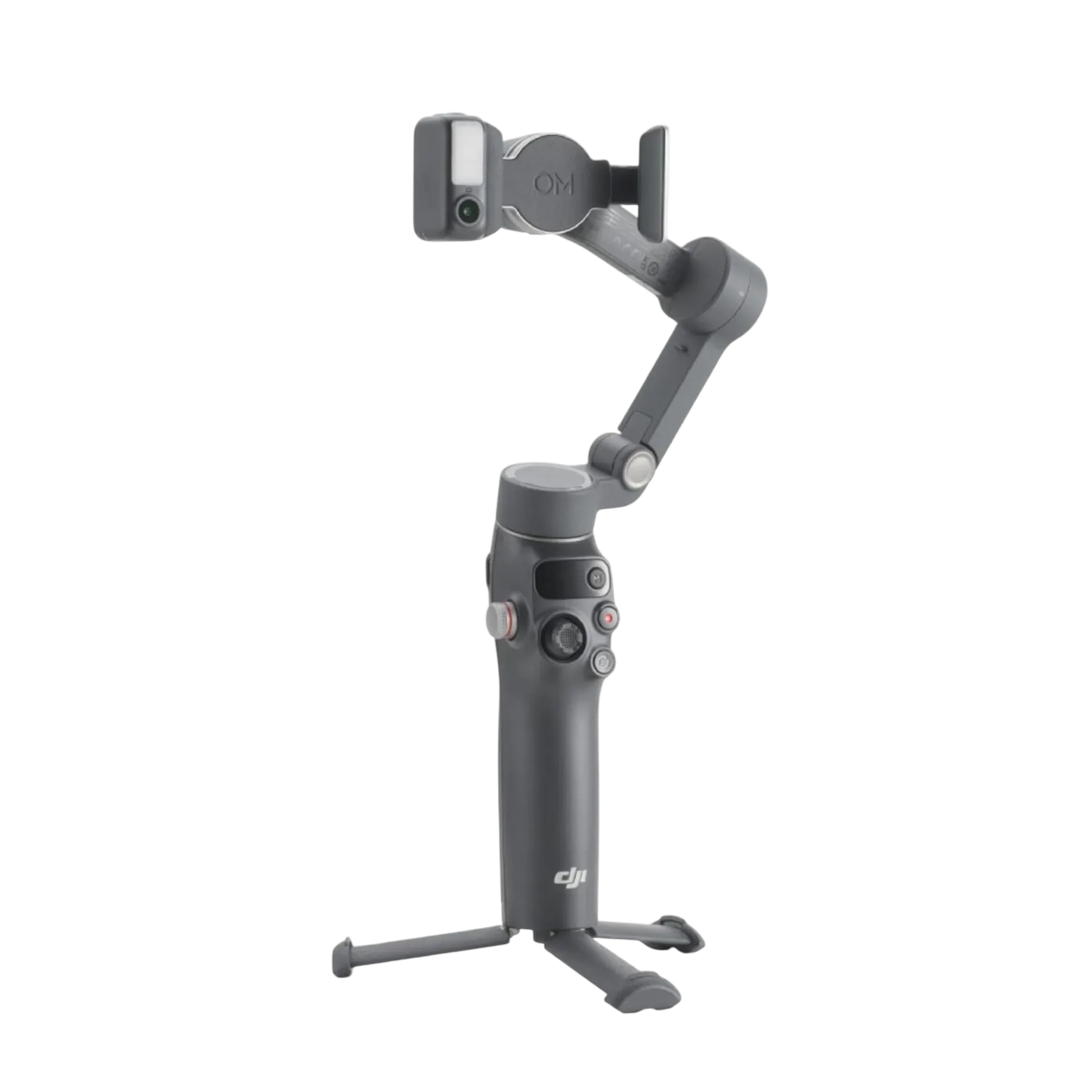
To je prva podela. Osmo Mobile serija je za telefon i to je ono što većini treba. RS serija nosi prave kamere — bez ogledala i DSLR aparate — i namenjena je snimanju za posao.
Kod novijih DJI gimbala praćenje znači da vas uređaj drži u kadru dok se krećete, bez da neko drži telefon. Za snimanje samog sebe — kuvanje, vežbanje, obilazak prostora — to je razlika između snimka koji se može objaviti i onog koji se ne može.
Ugrađeno svetlo sa promenljivom temperaturom rešava najčešći problem snimanja u zatvorenom: lice u senci dok je pozadina svetla. Toplija svetlost uveče, hladnija danju.
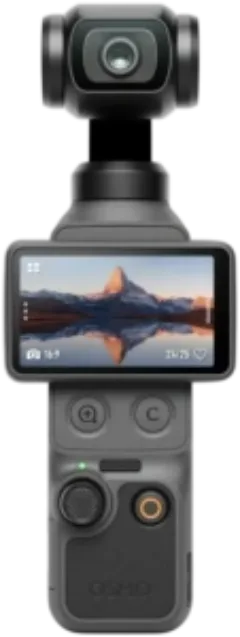
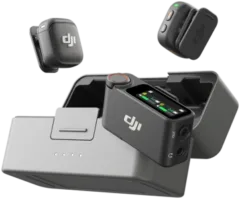
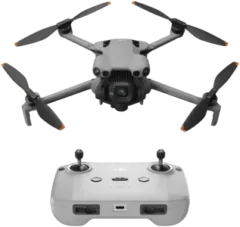
Iz iste porodice tu su i DJI dronovi, akcione kamerice i bežični mikrofoni. Ceo pregled je na stranici DJI.
Prvo podešavanje traje nekoliko minuta: telefon se stavi u držač, uravnoteži i upari sa aplikacijom. Posle toga se sklapa i rasklapa za nekoliko sekundi, pa se nosi u torbi kao i sam telefon.
Najveća greška početnika je da DJI gimbale koriste samo za šetnju i snimanje ispred sebe. Prava vrednost je u pokretima koje ruka ne može da izvede mirno — spuštanje uz zid, obilazak oko predmeta, praćenje nekoga ko hoda. Aplikacija ima gotove obrasce za takve snimke, pa ne treba ništa učiti napamet.
Za snimanje samog sebe najviše znače praćenje i ugrađeno svetlo — telefon ostaje na tronošcu, a vi se krećete i ostajete u kadru.
Najčešće uz telefon, ali sve više i uz akcione i džepne kamerice. Ako snimate razgovore ili sebe, uz stabilnu sliku ide i bežični mikrofon — loš zvuk pokvari i najbolji snimak.
iComp je zvanični DJI prodavac u Srbiji — uređaji dolaze iz zvaničnog kanala, sa punom garancijom.
Trenutno stanje i rok isporuke vidite na stranici proizvoda.
Čemu služi gimbal?
Poništava trešnju ruke, pa video izgleda mirno i profesionalno čak i dok hodate.
Radi li sa svakim telefonom?
Osmo Mobile 8 nosi telefone od 170 do 300 grama, što pokriva sve aktuelne modele. Proverite težinu sa maskom.
Koliko traje baterija?
Do 10 sati, odnosno oko 5 sati uz uključeno pametno praćenje.
Ima li stativ?
Da, tronožac je ugrađen, a tu je i produžna šipka do 215 mm.
Koja je razlika između Osmo Mobile i RS serije?
Osmo Mobile nosi telefon, RS serija nosi prave kamere bez ogledala i DSLR aparate.
Izvor specifikacija: DJI — zvanične tehničke specifikacije
DJI gimbali se dele na dve porodice koje se ne mešaju. Osmo Mobile serija drži telefon i staje u džep. RS 5 drži pravu kameru do 3 kg i to je alat za nekoga ko snima bezogledalnim telom sa svetlim objektivom. Ako snimate telefonom, RS 5 vam ne treba; ako snimate kamerom, Osmo Mobile ne može da je ponese.
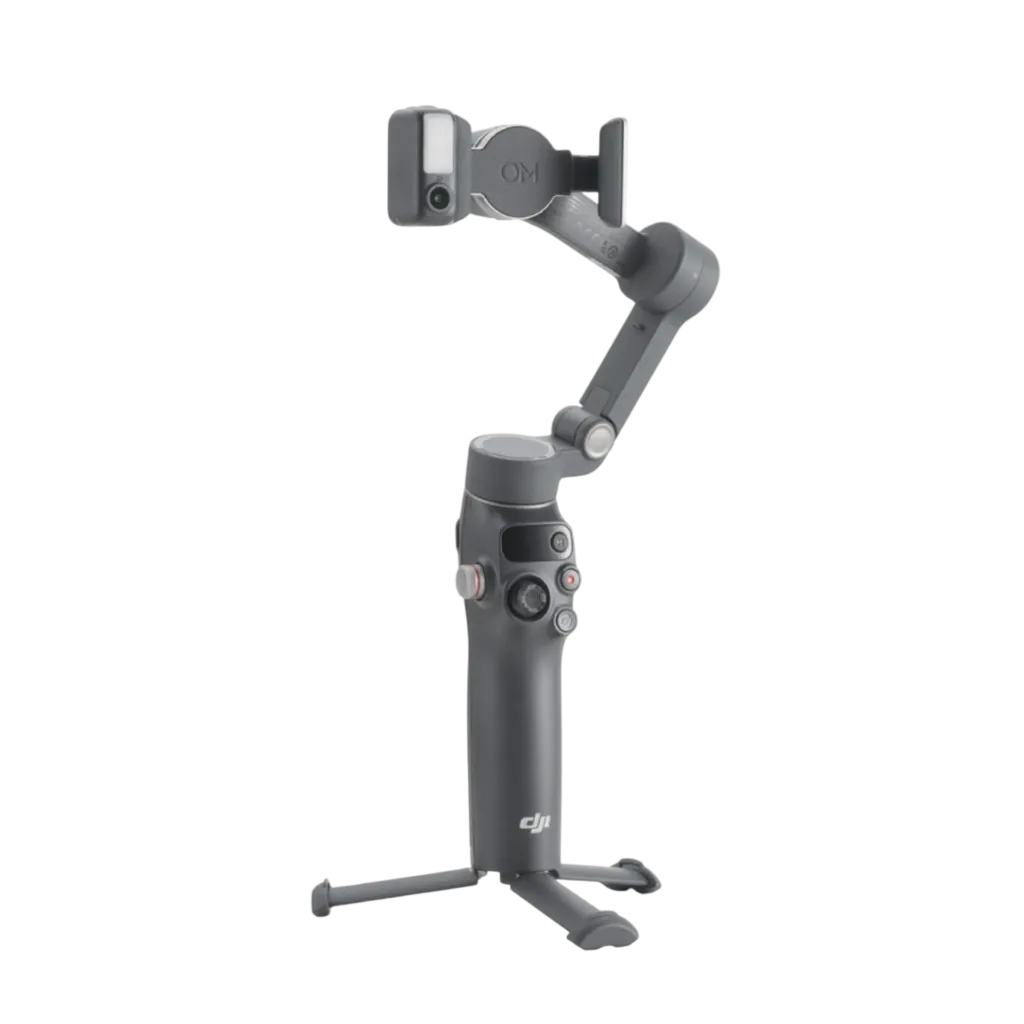
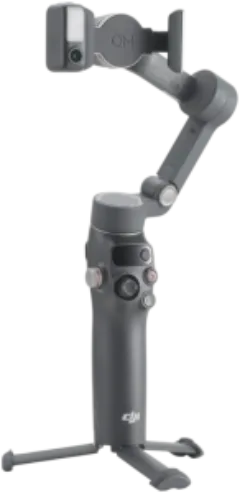
Tri ose: panorama se okreće u punom krugu, nagib ide od –20° do 40°, rotacija od –67° do 245°, brzinom do 120°/s. U dršku su ugrađeni produžna šipka do 215 mm i tronožac od 67 mm. Modul nosi svetlo podesive temperature od 2500 do 6000 K, jačine do 40 lx na 0,6 m. Baterija od 3.350 mAh radi oko 10 sati u mirovanju, 4–5 sati uz praćenje i svetlo, a puni se za oko 2,5 sata. Rasklopljen je 288 × 107 × 96 mm, sklopljen 190 × 95 × 46 mm, teži oko 370 g sa dodacima.
Isti gimbal, ali sa Osmo FrameTap modulom — ekranom osetljivim na dodir od 1,4 inča (240 × 240) preko kojeg se snimanje vodi bez otključavanja telefona. Modul ima GPS i GNSS i Wi-Fi domet do 25 m, a u pripravnosti radi do 4,5 sata. Nagib je širi nego kod modela 8: od –37° do 55°. Teži oko 386 g sa dodacima. Dolazi u dva paketa — Creator Combo i Advanced Tracking Combo.
Oba primaju telefone mase 170–300 g i širine 67–84 mm. Debljina je 6,9–10 mm za model 8, odnosno 6,9–11 mm za 8P. Većina savremenih telefona sa maskom staje; proverite masu sa maskom pre kupovine.
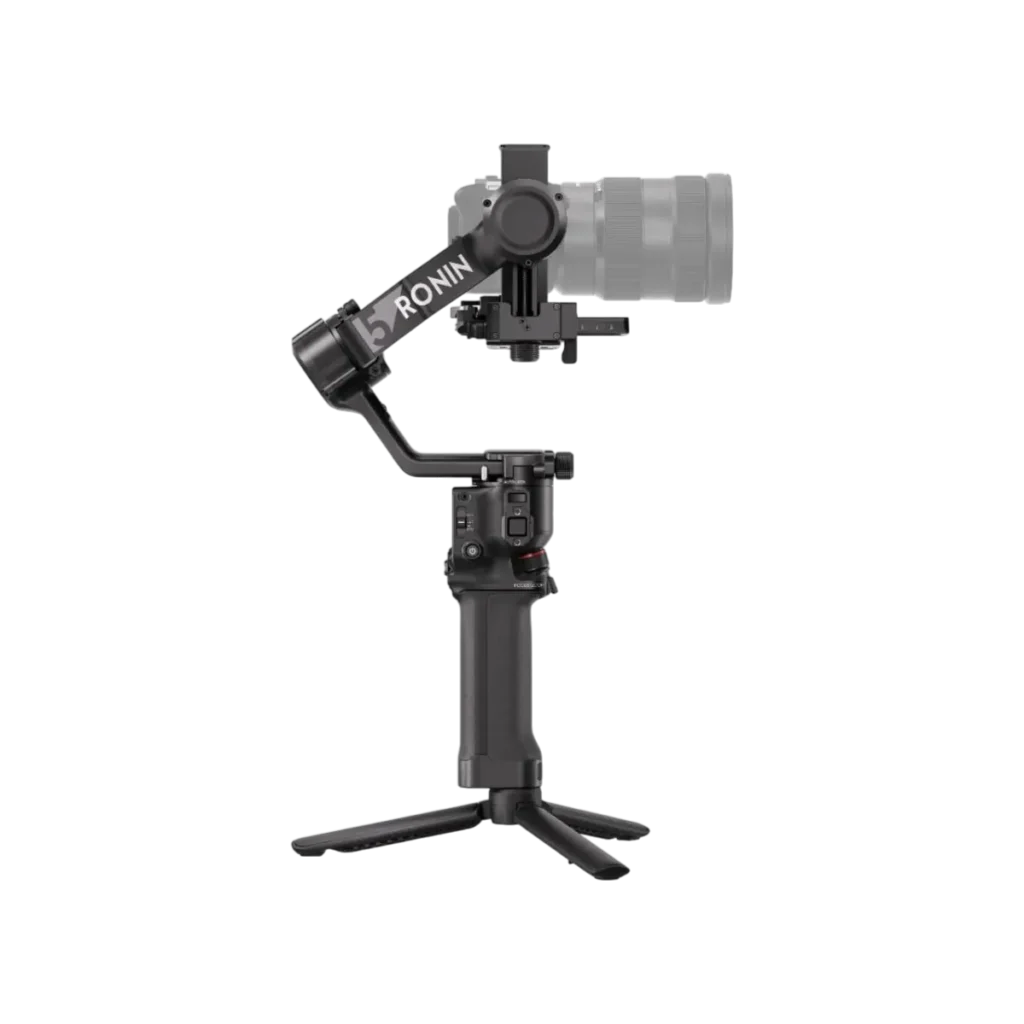
Nosi kameru do 3,0 kg, a sam teži oko 1.193 g sa pločicama za brzo kačenje. Ose se automatski otključavaju i zaključavaju, pa se iz torbe pređe na snimanje bez ručnog podešavanja. Panorama ide u punom krugu, nagib od –112° do 214°, rotacija od –95° do 240°, sve do 360°/s. Podržava uspravno snimanje za društvene mreže, povezuje se preko Bluetooth 5.0 veze i USB-C priključka, a puni se za oko sat vremena uz PD punjač od 65 W.
Stabilizacija u telefonu ublažava drhtanje ruke. Gimbal fizički drži kameru mirno po tri ose, pa snimak u hodu i trčanju izgleda kao sa šine. To su dve različite stvari i gimbal se vidi na prvom snimku.
Na 8 i 8P modul prati subjekat i bez DJI Mimo aplikacije — radi i sa kamerom telefona, i sa drugim aplikacijama za snimanje.
Oko 10 sati u mirovanju na svim Osmo Mobile modelima. Sa uključenim praćenjem i svetlom računajte na 4–5 sati. RS 5 se puni za oko sat vremena uz punjač od 65 W.
Može — tronožac je ugrađen u dršku Osmo Mobile modela, pa se gimbal postavi na sto i snima bez držanja.
Oba nose isti gimbal i FrameTap modul; razlika je u dodacima koji idu uz njih. Sastav svakog paketa stoji na kartici proizvoda iznad.
 AirTag na poklonAirTag na poklonAirTag na poklon