






Insta360 dodaci — štapovi, nosači i kućišta
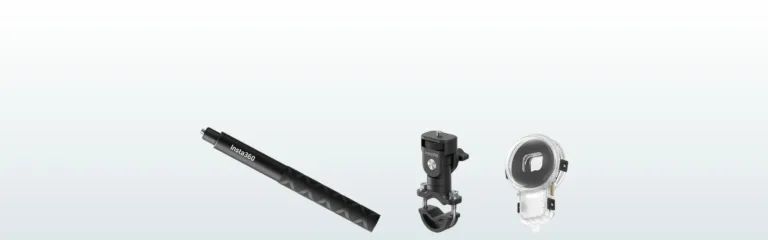
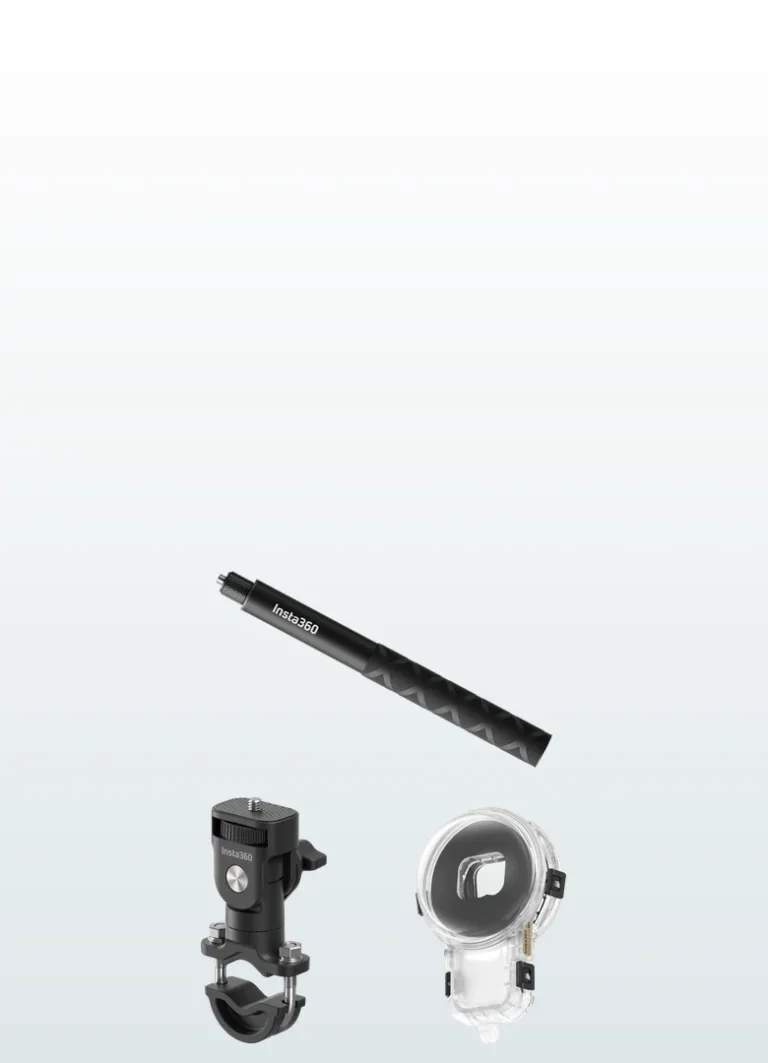
Kamera rešava sliku; dodatak rešava gde ona stoji. Nevidljivi štap je drži u vazduhu i nestaje sa snimka, nosač je kači na kacigu, volan ili ravnu površinu, a kućište je nosi pod vodu. Tri različita zadatka — biraju se po tome šta snimate, ne po ceni.
Ispod su sva tri u jednom pregledu: kako rade, koji model za šta, i šta se sa čim spaja.
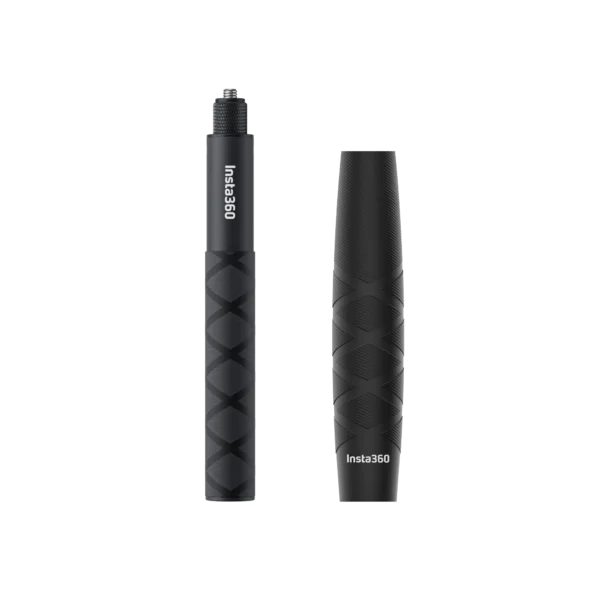
Nevidljivi štapovi
Zašto se štap ne vidi na snimku
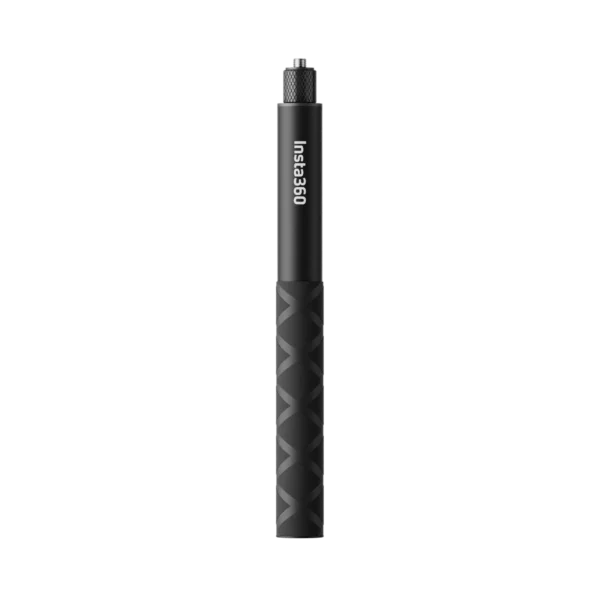
360° kamera ima dva objektiva okrenuta na suprotne strane, a snimak nastaje spajanjem ta dva kadra. Nevidljivi štap je napravljen tako da padne tačno u liniju tog spoja — tanak je i pozicioniran u mrtvom uglu između objektiva, pa ga kamera prosto nema čime da vidi. Na gotovom snimku ostaje samo kamera koja lebdi u vazduhu.
To nije softverski trik ni brisanje u montaži. Zato radi u realnom vremenu i ne ostavlja mrlju ni trag tamo gde je štap bio.
85 ili 114 cm — kako se bira
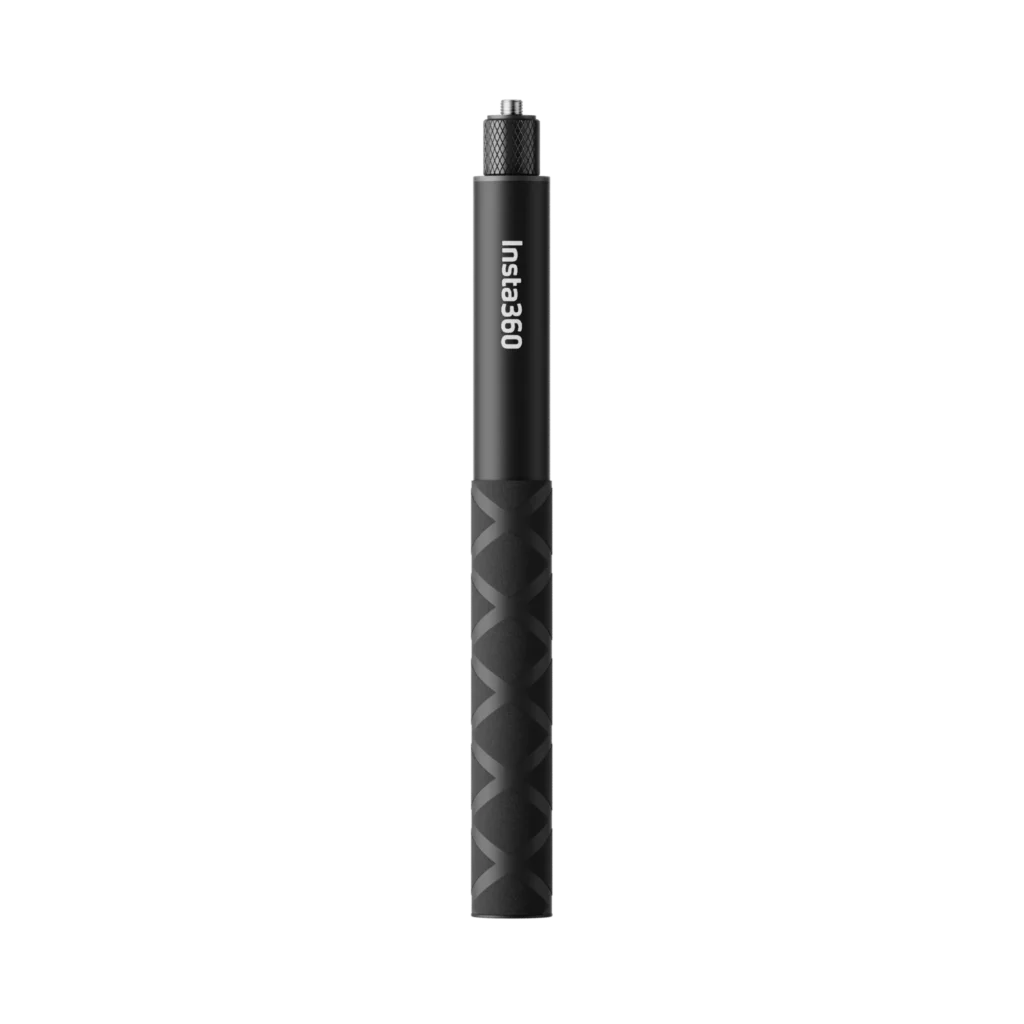
Oba štapa se izvlače u više koraka, pa se ista šipka koristi i za bliski kadar i za pogled odozgo. Razlika je u tome dokle stižu kad su dokraja izvučeni.
- 85 cm — kraći i lakši za nošenje. Sklopljen staje u džep ranca. Dovoljan za snimke u pokretu, vožnju bicikla, šetnju, snimanje u društvu.
- 114 cm — daje osetno viši ugao, pa snimak više liči na kadar iz vazduha. Bolji izbor za skijanje, sport i široke prizore, gde treba podići kameru iznad glave i okoline.
Ako uzimate prvi štap i ne znate šta ćete više snimati, 114 cm je univerzalniji — uvek se može skratiti, a kraći štap se ne može produžiti.
Sa kojim kamerama radi
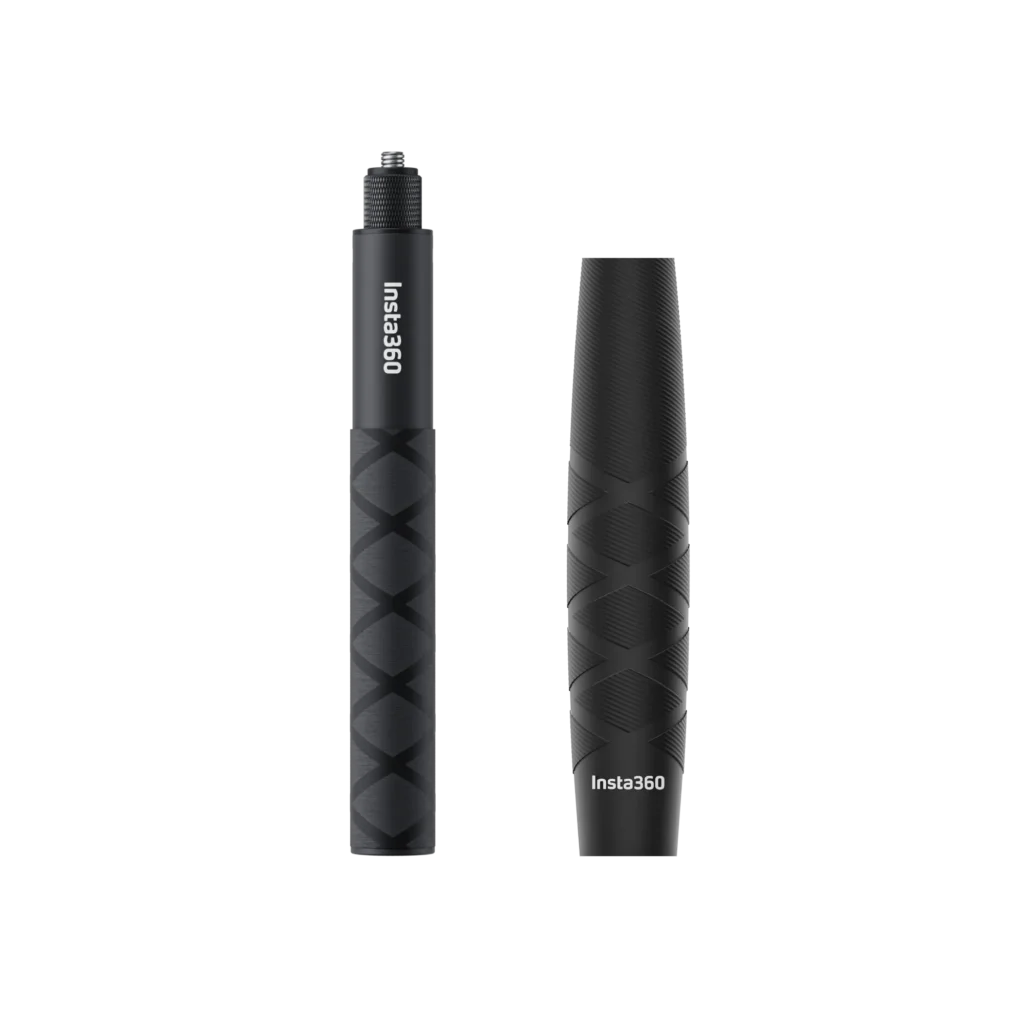
Navoj je standardni 1/4 inča — isti onaj koji koriste stativi. Zato štap prima Insta360 kamere X serije direktno, a GO seriju uz odgovarajući nosač.
Zbog istog navoja štap fizički prima i druge kamere sa 1/4″ priključkom, ali nevidljivost važi samo za panoramski snimak. Na običnoj kameri sa jednim objektivom štap se vidi kao i svaki drugi.
Šta se sa njim dobija u praksi
- Kadar iz vazduha bez drona — podignete štap iznad glave i dobijete pogled odozgo, bez dozvola i bez baterije koja se prazni.
- Snimanje sebe u pokretu — kamera ide ispred vas, a vi ste u kadru, bez ijedne ruke u slici.
- Prolazak kroz prostor — štap nosi kameru napred kroz vrata, hodnik ili gužvu, pa se u montaži bira kuda gledalac gleda.
Na šta paziti
Štap nije stativ i nije napravljen da stoji sam — za to služe nosači i štipaljke. Isto tako, ne služi kao držač na vozilu; za motor i bicikl idu U-obujmica i lepljivi nosač, koji podnose vibracije.
Nosači i kućišta
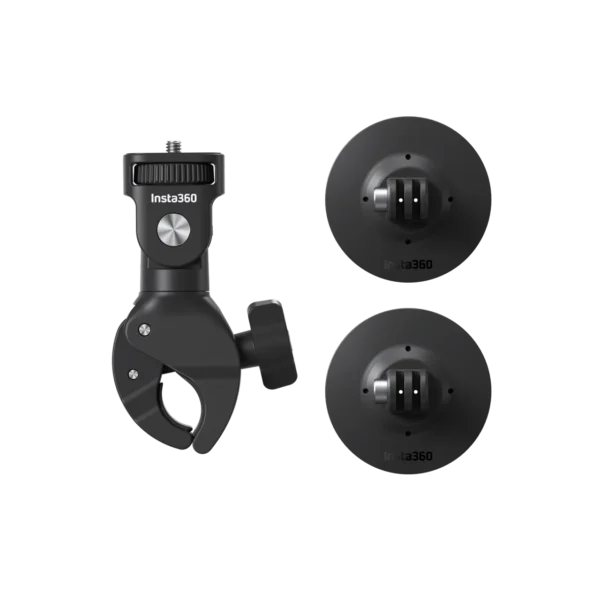
Nosač rešava jedno pitanje: gde kamera stoji
Kamera koja se drži u ruci daje jedan tip snimka. Onaj pravi — iz prvog lica, sa vozila, iz vode — dolazi tek kad kamera stoji negde gde ruka ne može da je drži. Zato su nosači najčešći prvi dodatak koji se kupuje uz Insta360 kameru.
Sva četiri rešenja u ponudi pokrivaju različite površine, pa se biraju po tome na šta se kamera kači, a ne po ceni.
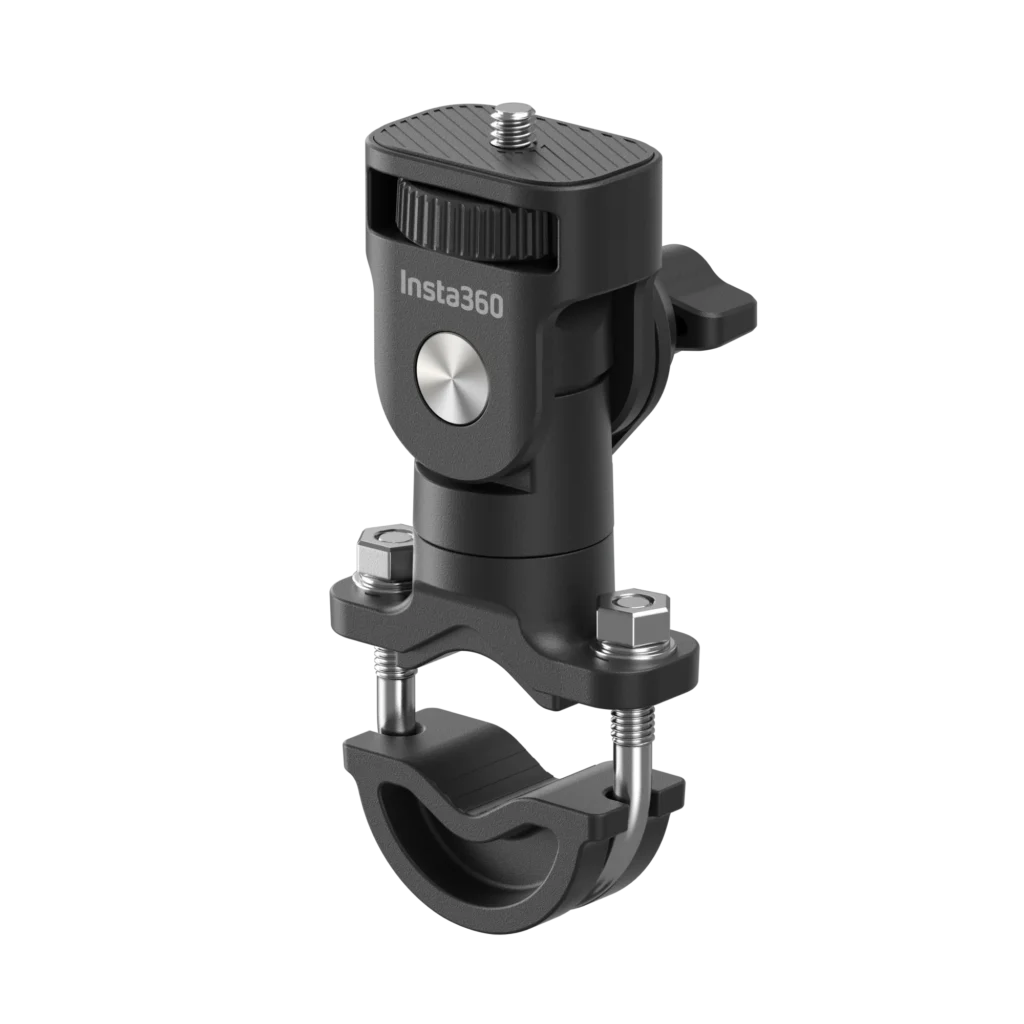
U-obujmica za motocikl
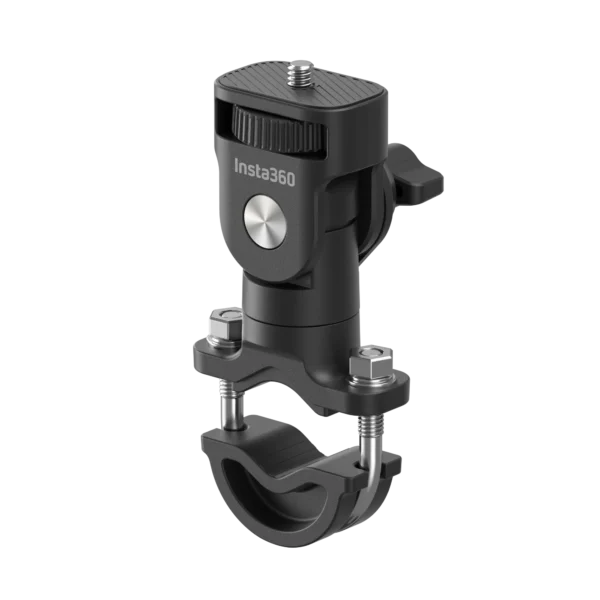
Insta360 Motorcycle U-Bolt Mount steza se oko cevi — volana, retrovizora ili rama — i drži kameru čvrsto na vozilu u pokretu.
Metalna U-obujmica sa zavrtnjima podnosi vibracije bolje od lepljivih nosača, pa je to izbor za duže vožnje i za bilo šta što trešti. Prima Insta360 kamere preko standardnog nastavka.
Štipaljka za sve ostalo
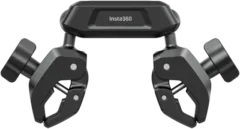
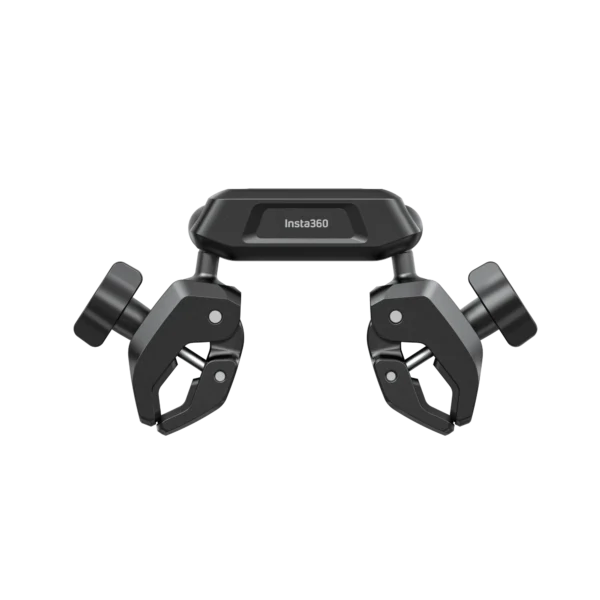
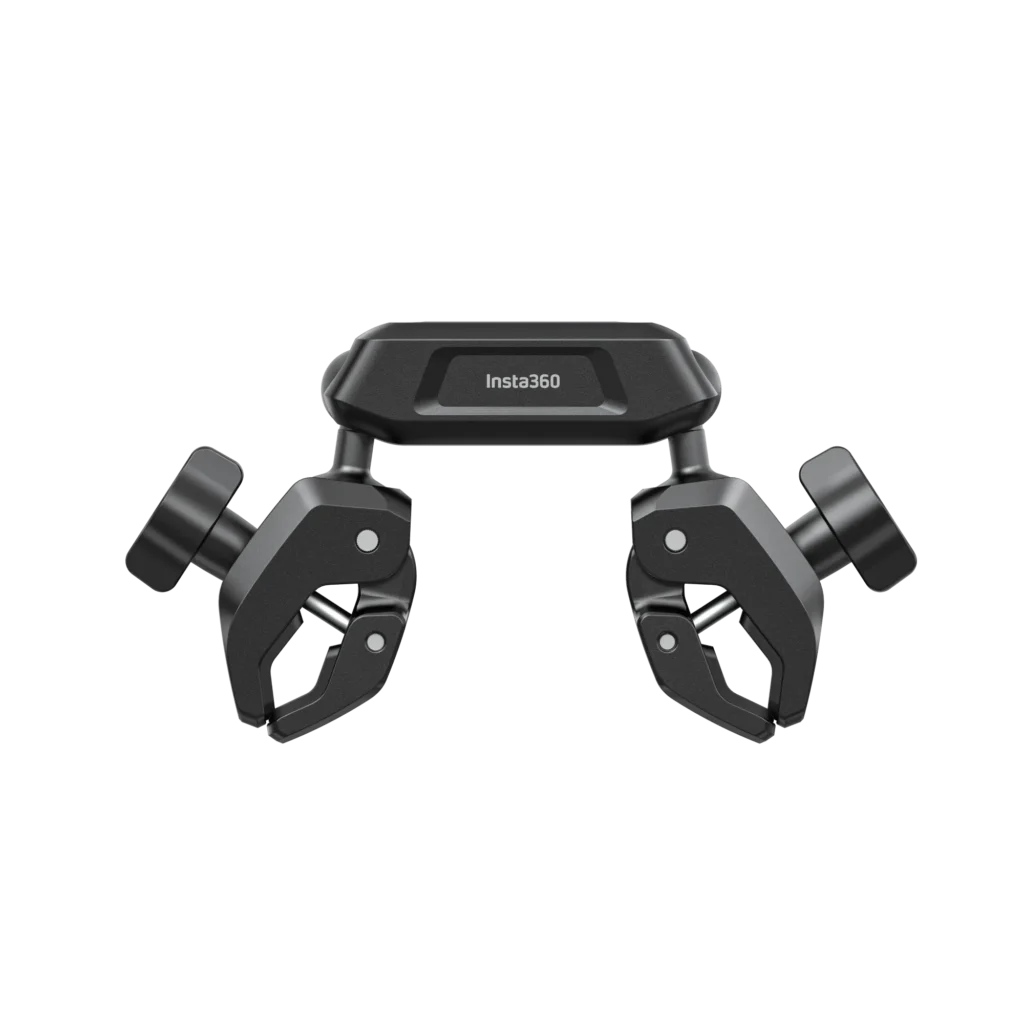
Insta360 Crab Clamp ima jak stisak i hvata se za ivicu stola, šipku, granu ili ram bicikla — tamo gde stativ ne staje ili nema gde da se postavi.
Glava se okreće i podešava, pa se ugao namešta bez pomeranja same štipaljke. Navoj je standardni 1/4 inča, pa prima i većinu drugih uređaja sa istim navojem, ne samo Insta360 kamere.
Savitljivi lepljivi nosač za kacigu
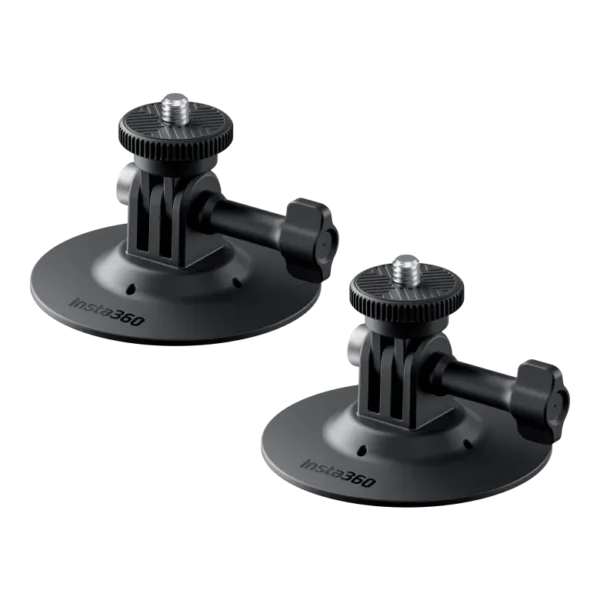
Ravan lepljivi nosač ne prianja na kacigu, rezervoar motora ili dasku — površina je zakrivljena, pa lepak drži samo delom.
Insta360 Flexible Adhesive Mount ima savitljivu osnovu koja prati oblik površine, pa lepak naleže celom širinom i drži i pri vibracijama. Radi sa Insta360 kamerama preko standardnog nastavka.
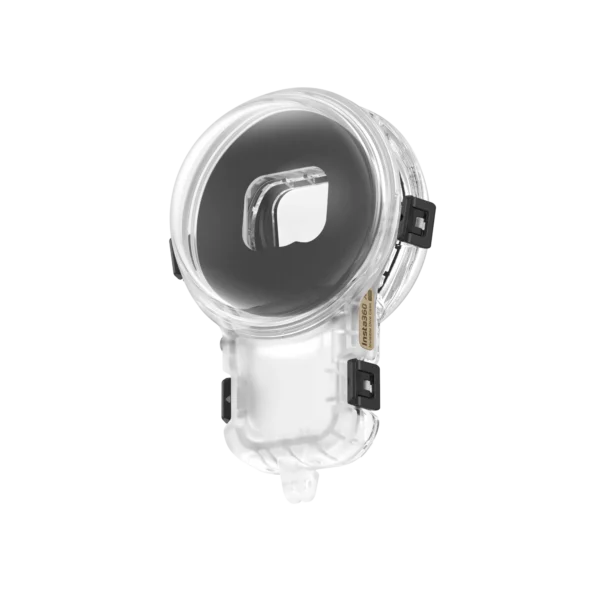
Ronilačko kućište — do 60 metara
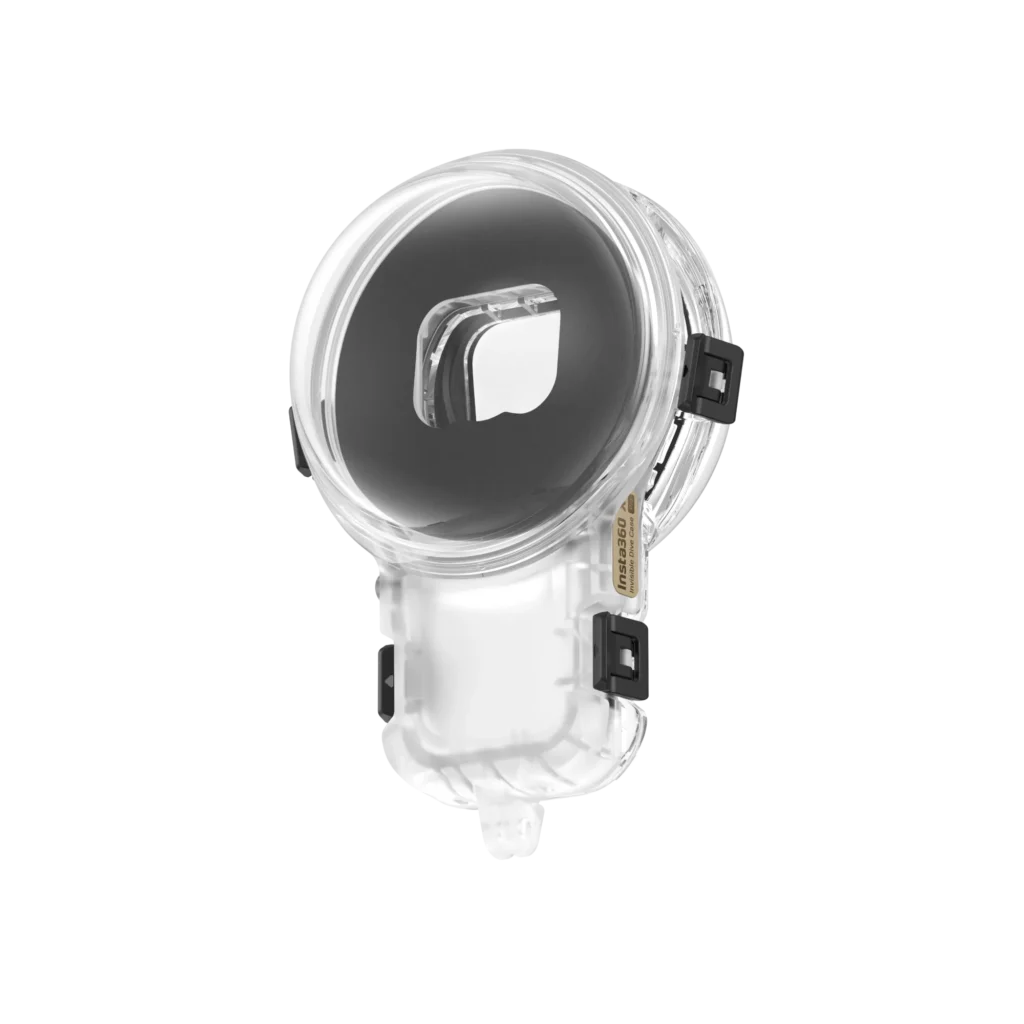
Invisible Dive Case Pro nije nosač nego zaštita, ali spada u istu priču: sa njim kamera X serije radi do 60 metara dubine, umesto 15 do 20 metara koliko izdrži sama.
Dve stvari ga izdvajaju od običnog vodootpornog kućišta. Prvo, oblik mu je napravljen tako da nestane iz panoramskog snimka, isto kao nevidljivi štap — u kadru ostaje samo prizor pod vodom. Drugo, njegova optika ispravlja izobličenje koje voda unosi, pa spoj dva kadra ostaje uredan i na dubini.
Navoj 1/4″ — šta se s čim spaja
Većina ovih dodataka koristi standardni navoj od 1/4 inča, isti kao stativi. To znači da se međusobno kombinuju: štipaljka može da drži nevidljivi štap, a lepljivi nosač prima isti nastavak kao U-obujmica.
Praktično, jedan komplet nosača pokriva i motor i bicikl i kacigu i sto — menja se samo ono što dodiruje površinu.
Kupovina kod iComp-a
Svi nosači i kućišta su iz zvaničnog uvoza, sa garancijom koja važi u Srbiji. Cene stoje iznad, na karticama proizvoda.
Koji nosač za šta — ukratko
- Cev na motociklu, biciklu ili ramu → U-obujmica sa zavrtnjima (Motorcycle U-Bolt Mount)
- Ivica stola, šipka, grana, ram → štipaljka sa podesivom glavom (Crab Clamp)
- Kaciga, rezervoar, daska — zakrivljene površine → savitljivi lepljivi nosač (Flexible Adhesive Mount)
- Ronjenje do 60 metara → Invisible Dive Case Pro
Česta pitanja
Da li se štap stvarno ne vidi?
Da, na panoramskom snimku. Štap pada u liniju spoja dva kadra, u mrtav ugao između objektiva, pa ga kamera nema čime da uhvati. Na običnoj kameri sa jednim objektivom vidi se kao i svaki drugi štap.
Koji da uzmem ako uzimam prvi?
114 cm. Uvek se može skratiti, a kraći štap se ne može produžiti. 85 cm ima smisla ako vam je prioritet da staje u džep ranca.
Radi li sa GO kamerom?
Radi, uz odgovarajući nosač. Navoj je standardni 1/4 inča, isti kao na stativima.
Može li štap da stoji sam?
Ne. Nije stativ i nema stopu. Kad kamera treba da stoji na jednom mestu, koriste se štipaljka ili nosač.
Sme li na motor ili bicikl?
Ne kao držač. Za vozila idu U-obujmica i lepljivi nosač, koji su pravljeni da podnesu vibracije.
Da li štap utiče na kvalitet snimka?
Ne utiče na sliku, ali utiče na stabilnost. Dokraja izvučen štap se više njiha, pa se stabilizacija više trudi. Za mirniji kadar dovoljno je izvući ga samo koliko treba.
Da li lepljivi nosač drži na kacigi?
Drži, ako je savitljiv. Ravan nosač na zakrivljenoj površini naleže samo delom i lepak popušta. Savitljiva osnova prati oblik, pa lepak drži celom širinom.
Zašto U-obujmica, a ne lepak na motoru?
Zbog vibracija. Metalna obujmica sa zavrtnjima ih podnosi bolje od lepljivog nosača, pa je za duže vožnje sigurniji izbor.
Prima li štipaljka i druge kamere?
Prima. Navoj je standardni 1/4 inča, isti kao na stativima, pa štipaljka radi i sa većinom drugih uređaja, ne samo sa Insta360 kamerama.
Treba li mi kućište za plivanje u bazenu ili moru?
Najčešće ne — X6 sam izdrži do 20 metara, X5 do 15. Kućište je za ronjenje dublje od toga, i uz to ispravlja izobličenje koje voda unosi u sliku.
Vidi li se kućište na snimku?
Ne. Oblik mu je napravljen tako da nestane iz panoramskog kadra, isto kao nevidljivi štap.
Mogu li se nosači kombinovati?
Mogu, zbog istog navoja od 1/4 inča. Štipaljka može da drži štap, a lepljivi nosač prima isti nastavak kao U-obujmica — menja se samo deo koji dodiruje površinu.
 AirTag na poklon